Highlights
of Southern Italy! February 7 – 16, 2020
Welcome
to my trip report! I will bold the topic for
each paragraph, in case you want to skip sections and jump to the pictures.
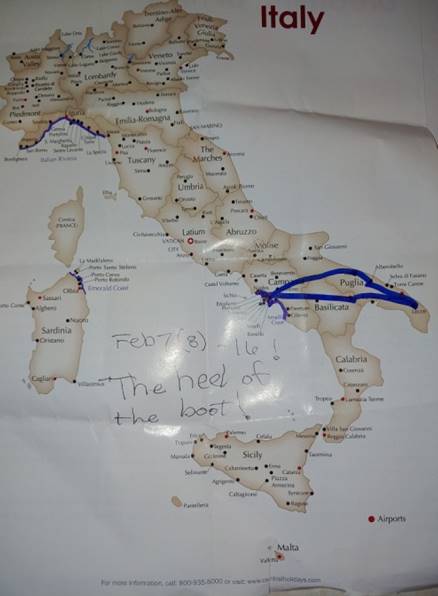
Special Notes and Observations
Italians
are very environmentally-conscious, and throughout the country we saw much evidence
of zero impact on the environment, reducing transportation needs and supporting
local products.
Wonderful
food, of course! I ate lots of fantastic
bread!
Sulfur is
added to wine for preservation, when they have to export it. When you can drink wine without sulfur, the
taste is so much richer. Italians keep
most of the wine produced in Italy. As the Blue Bell ice cream slogan
says: “we eat all we can and sell the
rest.” There are any kinds of wine in Italy; all are very good. Many grapes are
exported to France to make “French” wine.
Extra
virgin olive oil is not only first press and cold press but is based on
acidity. Tuscan olives are the perfect acidity.
Sometimes Puglia olives are traded with Greece and Spain to blend olives
to produce the right acidity. Olives
grown in Italy are for oil, not eating.
Olives grown in Greece and Spain are the best for eating.
Each
olive tree is frequently evaluated for ripeness of the olives. Trees are
selected individually for harvesting and shaken by hand tool or machine to drop
the fruit into nets. Olives that fall on
the ground are discarded, because the ground damages the ripening process. The
olives are quickly taken to processing, where they are washed and crushed
entirely. Solid pieces are removed, and
the liquid is tested for acidity. It is
cold press, first press, but the acidity determines “extra virgin.” 0.0 – 0.8 is extra virgin. 0.9 – 1.7 (I
think) is virgin. Over 1.7 is lamp oil!
(Also watch “virgin oil” in the US that is actually mixed with other
oils.)
Oak trees
were native in the Trulli area, not olive trees.
Some of the
architecture in Puglia reminds me of New Orleans French Quarter.
Day-of-travel and airport adventures
It was my
second time to the Frankfurt airport and this time I was prepared for the
weather. As expected, we deplaned to a
bus and were driven a long way to immigration/passport control. No problem.
To board the next flight, again we were bused along a seemingly endless
serpentine drive to the plane. At times
I wondered if our bus driver was lost, drunk, or otherwise impaired!
At the
NAP Naples airport we were screened for temperature because of the Coronavirus
by the Italian Red Cross—who wear these very heavy, thick uniforms with big
reflective tape—just like our firefighters.
There was no additional passport check, since we were entering from
another Schengen country. Although Naples is the third most populated
city in Italy, the airport seems relatively small and easy to navigate. (more on this later in Day 9)
First Impressions of Naples
I had
read in several places that Naples was overbuilt and ugly. OMG with the wonderful exceptions later in
this report, Naples seems like one gigantic housing project. All the buildings you can see from the
airport and drive along the freeway are identical boxes upon boxes with lots of
laundry hanging on little balconies.
Even illegal construction is erected on the side of the volcano. Vesuvius is so close; that’s why it is the
most monitored volcano in the world.
Day 1 Sorrento
This is
going to be a great travel group! We
already met about 10 people in the Naples airport while waiting together for
our transfer to Sorrento. Now I met more
cool people on the rooftop terrace of the hotel, while exploring the hotels
features. (BTW the “seasonal” pool is
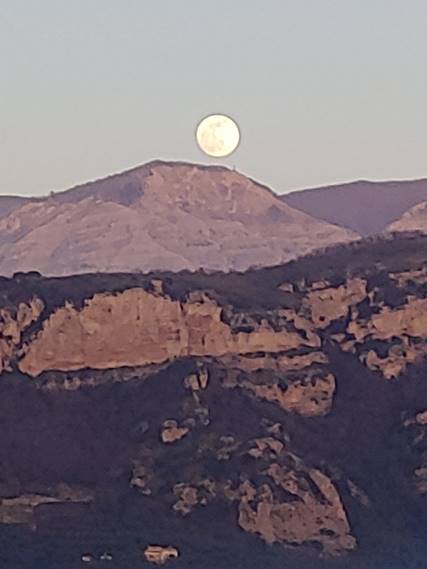
definitely seasonal…and this is not the season!) Full moon rising over the mountains:
gorgeous!
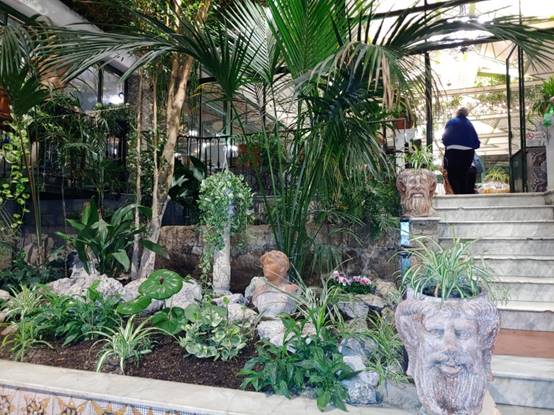
Our
dinner in old central Sorrento was at Ristorante o Parrucchiano
La Favorita, a famous
and highly recommended place. It was
wonderful and beautiful: like eating inside an historic Victorian greenhouse/conservatory. https://www.parrucchiano.com/
Day 2 Sorrento, Positano,
Our
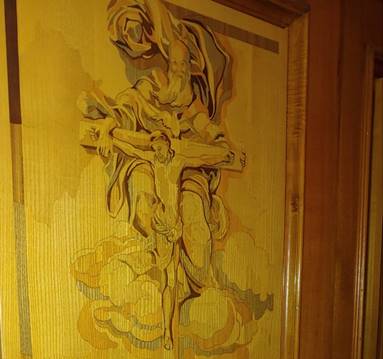
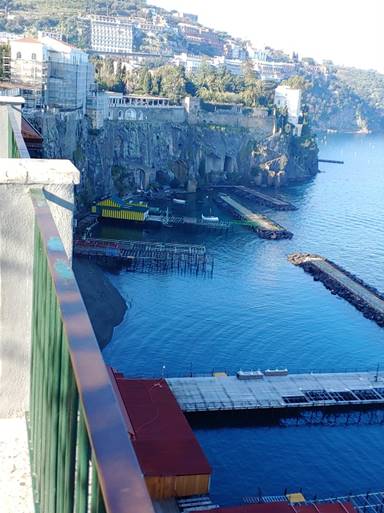
walking tour in old central Sorrento was wonderful. Too many pictures to include here, but one of
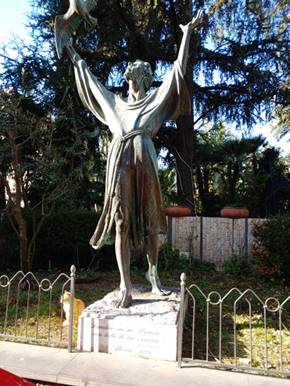
the things for which they are famous is the inlaid wood. This picture is from the church of St. Philip
and St. James. The cat was guarding the statue of St. Francis of Assisi! The
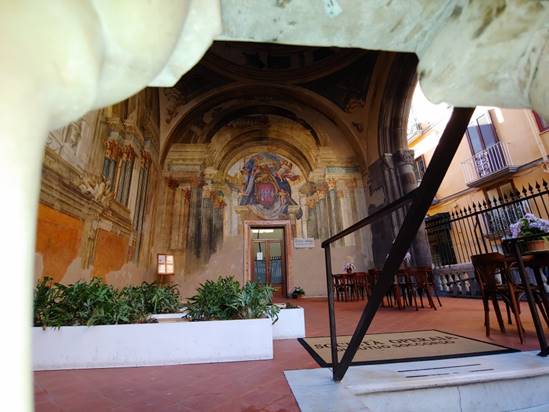
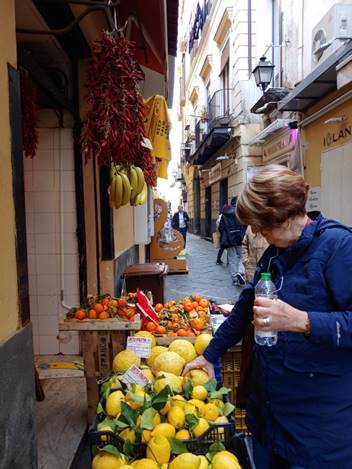
old 16th century Sedile Dominova loggia is a famous meeting place. Huge lemons, of
course!
The
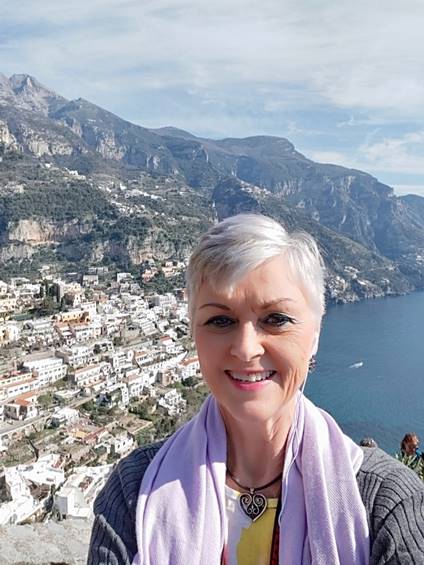
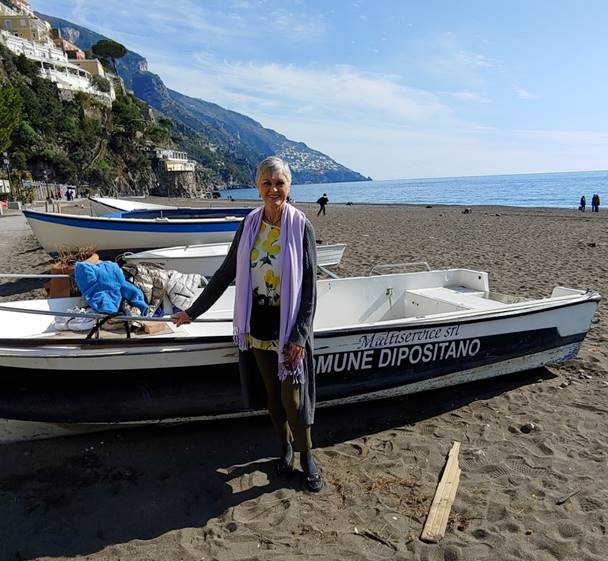
Amalfi drive and visiting Positano were bucket list
items! Amazing! The sand was dark and coarse.
Wonderful
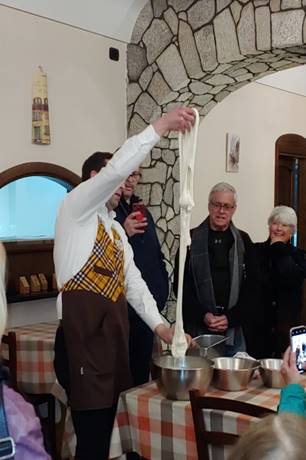
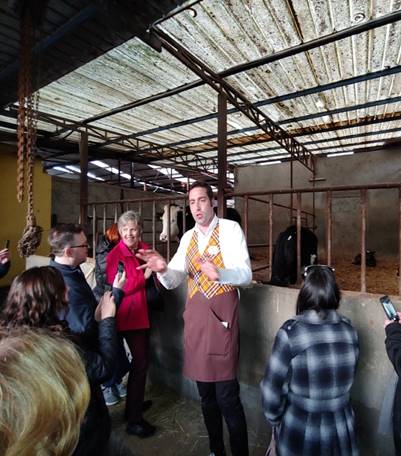
dinner in the community of Vico Equense at Cantina del Fattore , a
multi-generational family farm: they make mozzarella cheese, sausage, lemoncello, etc. It is self-sustaining and only open for
private gatherings. https://www.tripadvisor.com/Restaurant_Review-g194947-d6557856-Reviews-La_Cantina_del_Fattore-Vico_Equense_Province_of_Naples_Campania.html
Day 3 Drive to Trani
and Bari (236 miles)
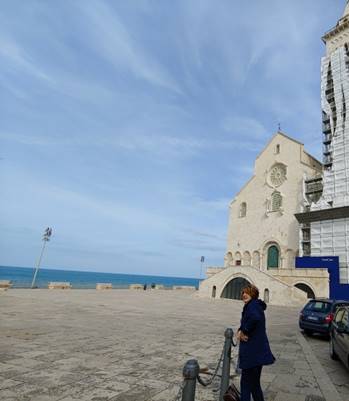
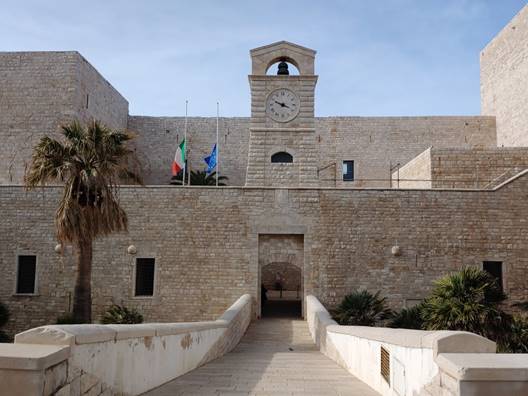
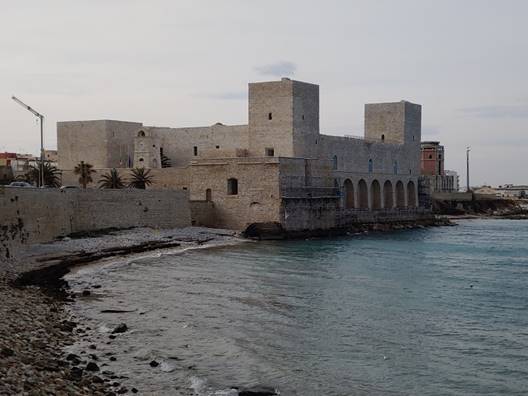
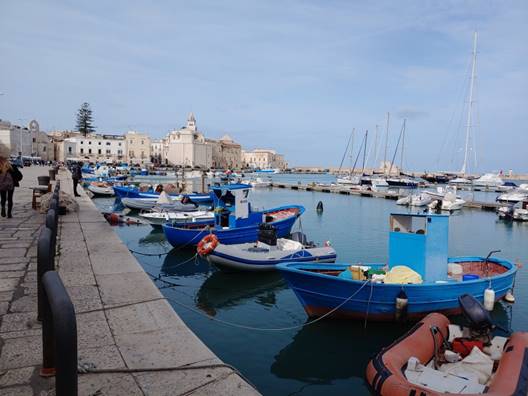
Beautiful
drive across to the Adriatic to the beautiful old fishing town and historic
financial city of Trani. It is the birthplace of the bank and for many
years the headquarters of Jews in Italy. Quiet, quaint and
beautiful. We had time to
explore. Several of us had sandwiches/drinks at a cool little place: PaninArt “slow food all’italiana”!
https://www.facebook.com/Paninart.Trani
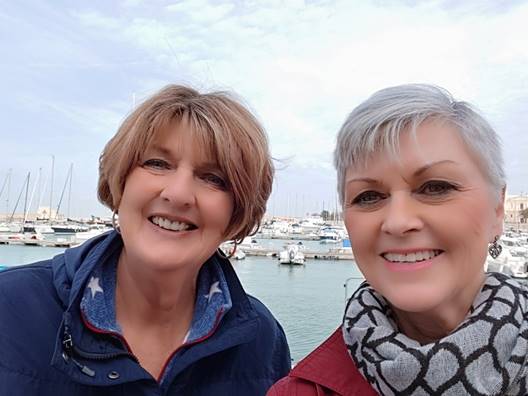
Bari is a
bigger city with lots of modern shopping, business and financial centers, along
with very traditional and historic treasures. There is a wonderful seawall on
the waterfront, where many walk or jog. Also, many people row, sail or kayak or
sit in the parks and play cards. People in Bari want to impress each other with
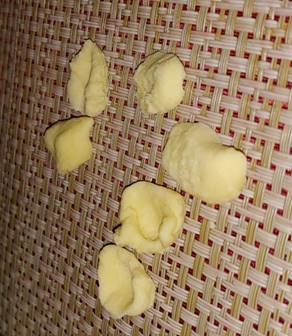
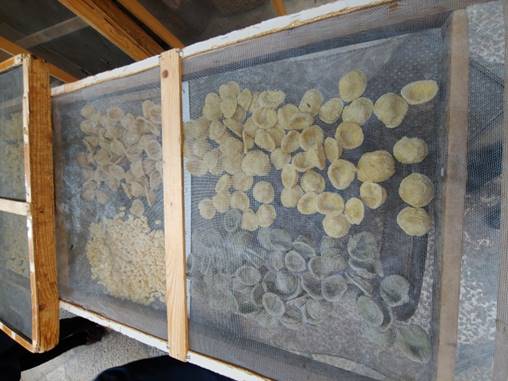
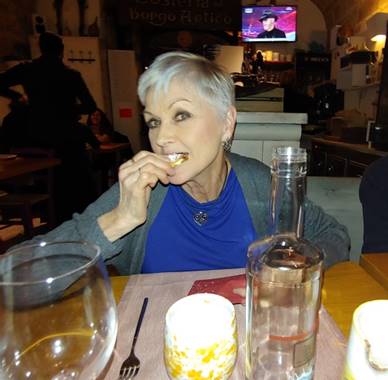
their status: they even wear furs in the warm month of June! (my old trench coat in February would have to do!) We had a pasta-making lesson and toured the
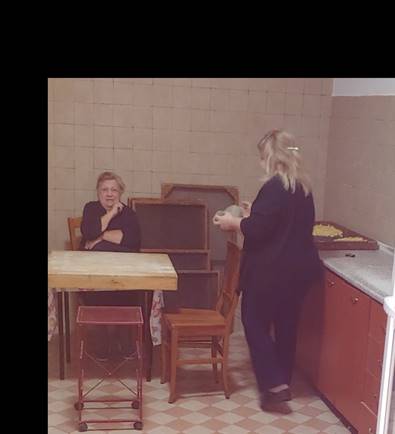
old city-center! At one point in the
past the government wanted to tax the grandmothers, who made pasta at their
front door and sold it to local restaurants and individuals. The locals protested and the government
retreated. Now you can walk down the old
narrow streets and still see the sweet ladies hand-making the pasta. There are
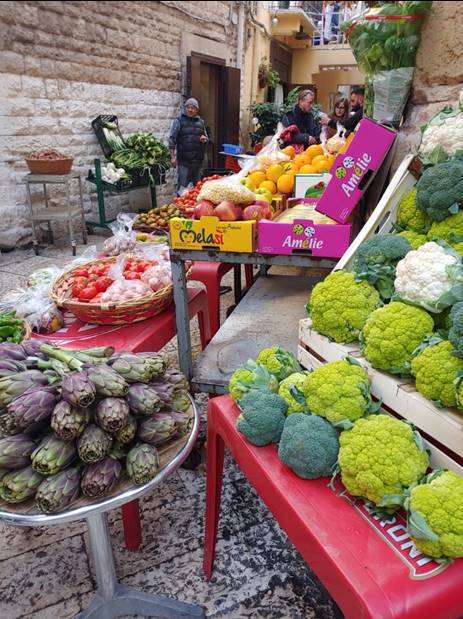
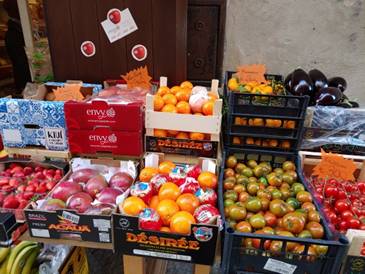
also many beautiful fresh vegetables! When you
eat a powdered sugar confection, they call it “dirty mouth”!
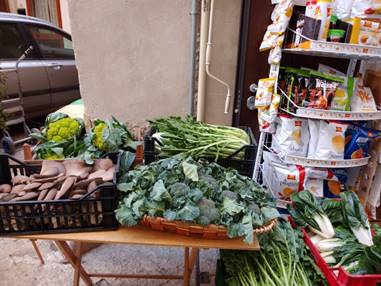
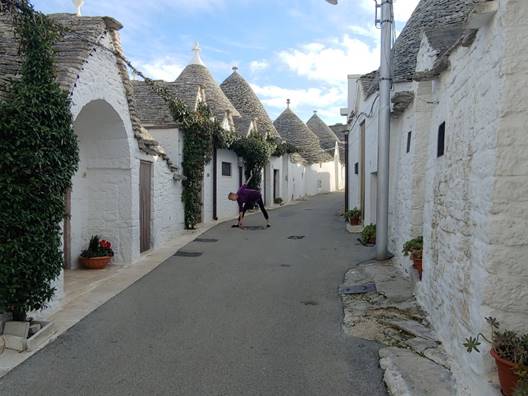
Day 4 Bari and Alberobello
More
exploring in Bari, then the exciting bucket list drive to Alberobello:
the Trulli houses! The countryside was gorgeous. I was surprised that Alberobello
was actually a town around the Trulli. https://www.youtube.com/watch?v=Pa60S6Yd_PA
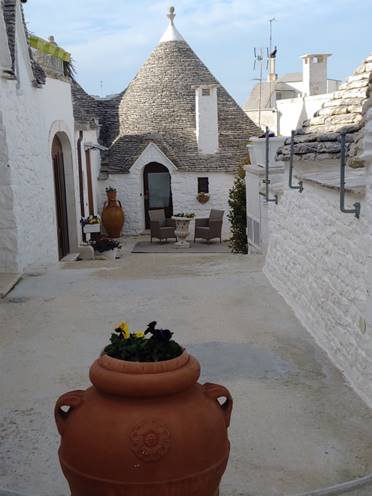
Day 5 Drive to Lecce
Touring
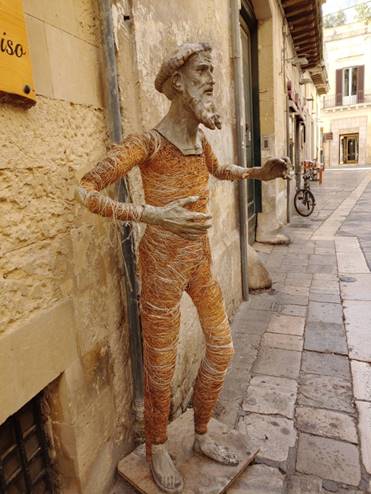
Lecce was amazing. No surprise that
there is more Greek influence here. They
are famous for paper mache.
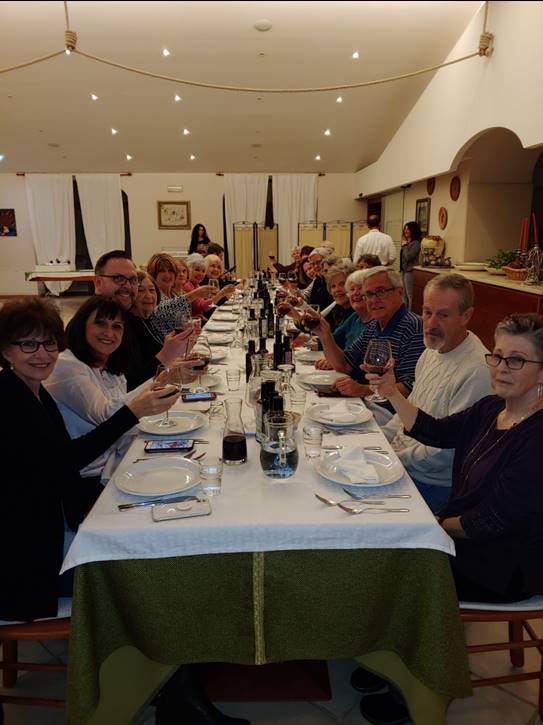
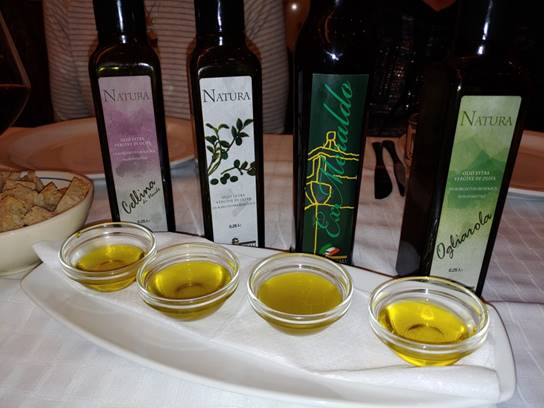
Our wonderful dinner was at an olive oil farm, Masseria
Stali. We
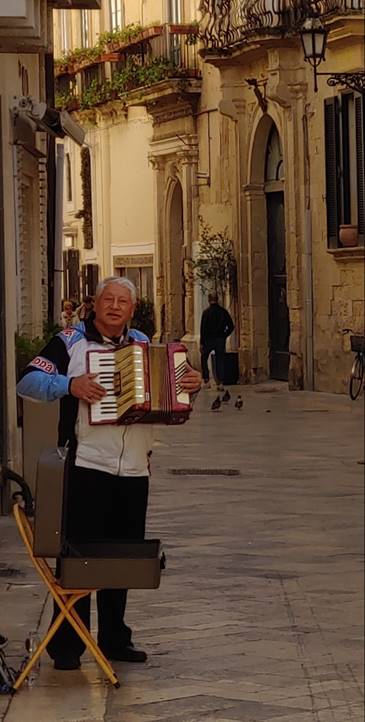
learned all about the production and quality testing of olive oil. Then we had live music and a fun dance lesson
with the regional folk dance! https://www.masseriastali.it/?lang=en
Day 6 Drive to Matera
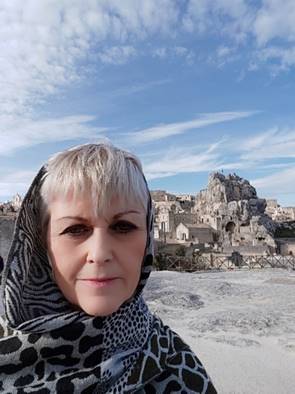
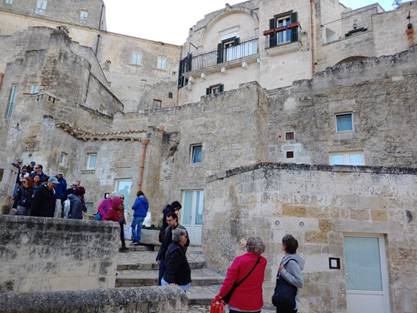
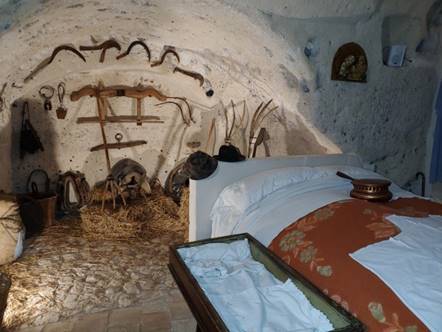
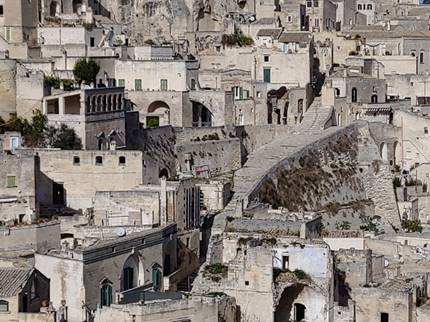
I think
this was the surprise of the trip. I had
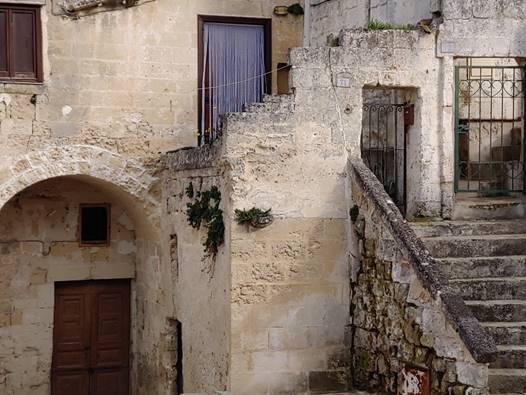
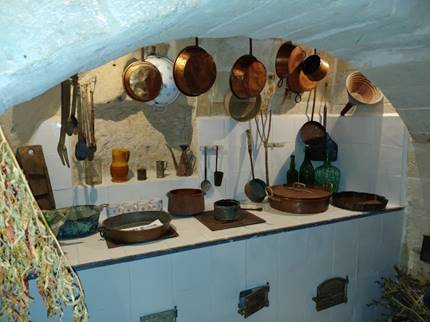
read about the cave dwellings, but it is so much more than I expected. People actually lived in the cave-houses as
recently as 1968! During certain decades
it was a dangerous place, but now it is very clean and has become upscale B
& B’s. We had an exciting tour.
Matera was also a great place to walk and explore. https://www.youtube.com/watch?v=sK6x0lKrRAI
Day 7 Drive to Naples
This road
trip had the most constant beautiful countryside I have ever seen. Beautiful farms, deep, colorful gorges, and
mountain streams. We found one tiny
little community in a valley with a somewhat hidden larger building. Our tour director said that any new factory
or other large commercial building in Italy is built within the landscape to
stay hidden.
Our
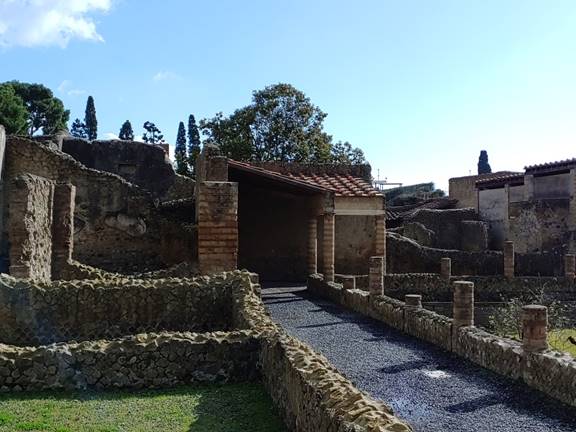
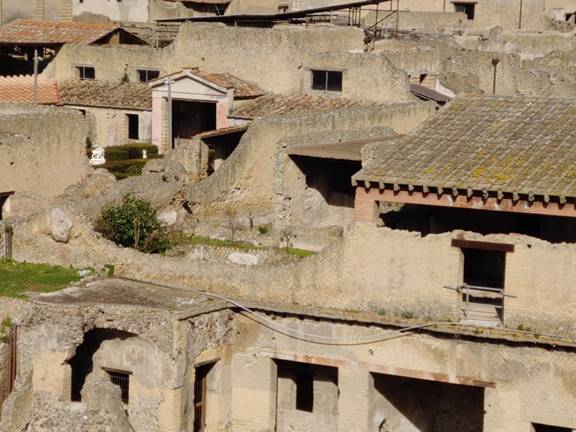
afternoon was spent exploring Herculaneum, another city destroyed by the 79 AD
eruption of Mt. Vesuvius. Smaller but
better preserved than Pompeii, Herculaneum had more ash
than lava, which allowed better excavation.
Many of its inhabitants ran toward the water and died later from the
toxic ash, rather than fire. Herculaneum
is west of Vesuvius, between the volcano and the bay; Pompeii is south of the
volcano and farther from the water. The
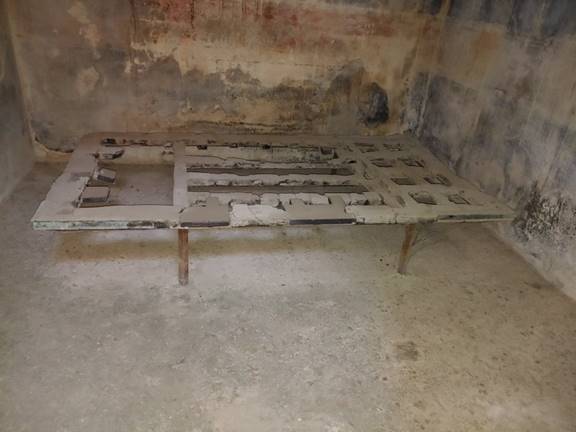
first pic is an original bed frame!
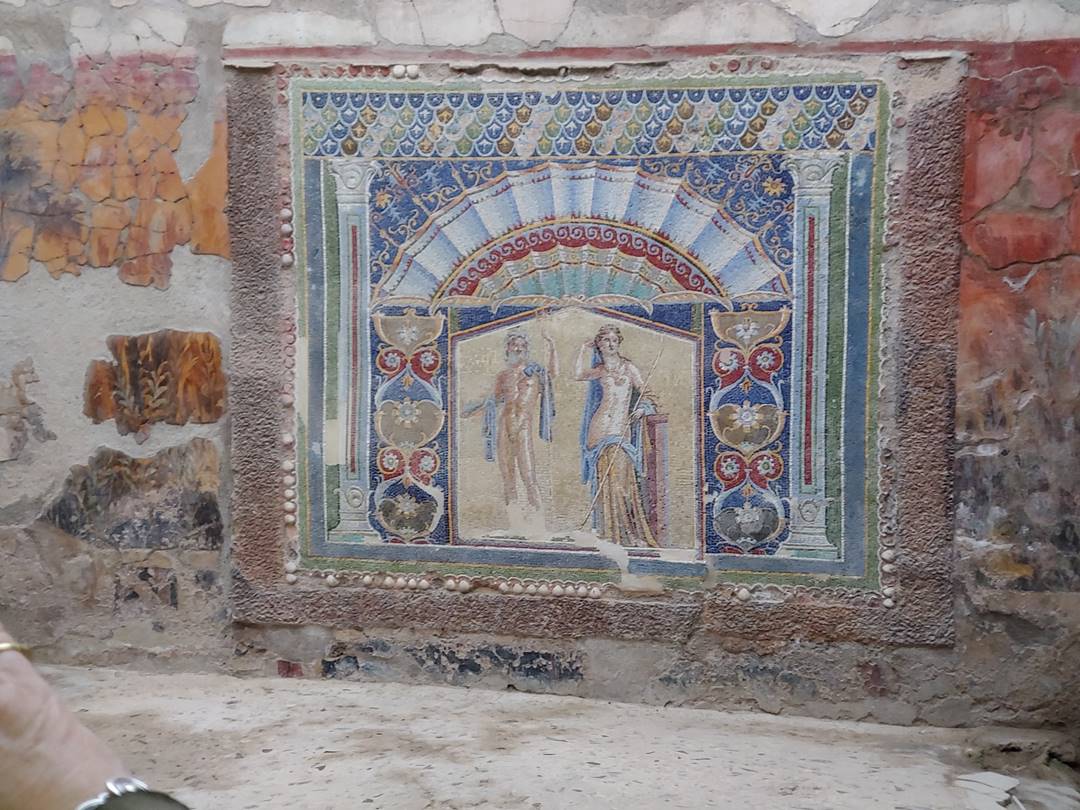
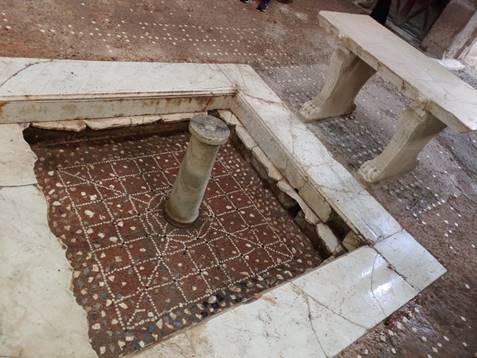
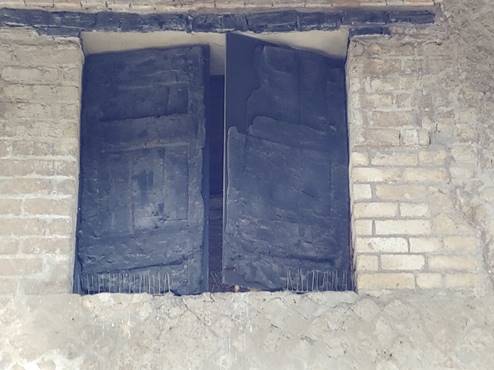
The
pictures above are of an interior mural, foyer fountain and table and window
shutters, all original.
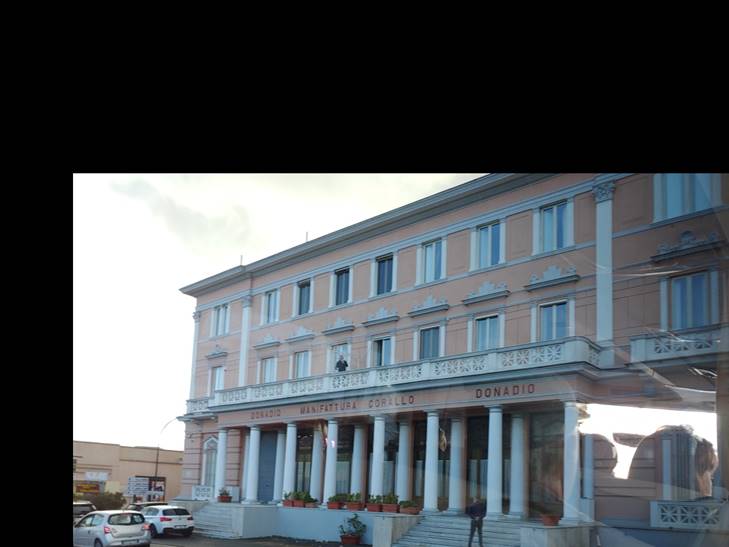
We had an
unplanned, on-the-way stop at a famous cameo manufacturer place: Palazzo del Corallo. We learned the process of making cameo, and
of course, had the opportunity to purchase our own treasure! http://www.palazzodelcorallo.it/en/home-eng/
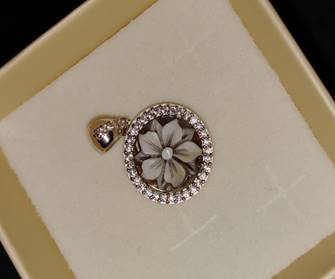
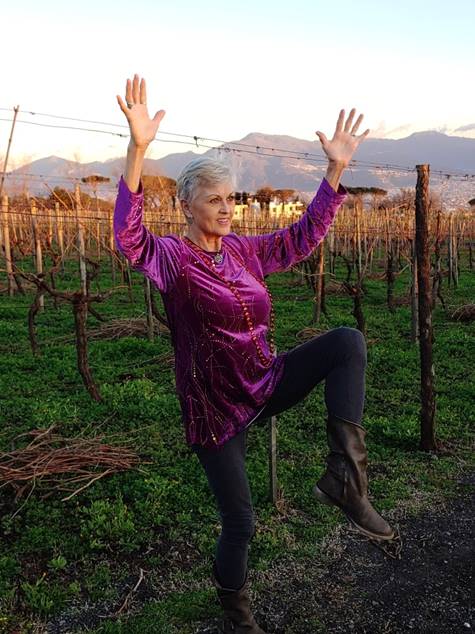
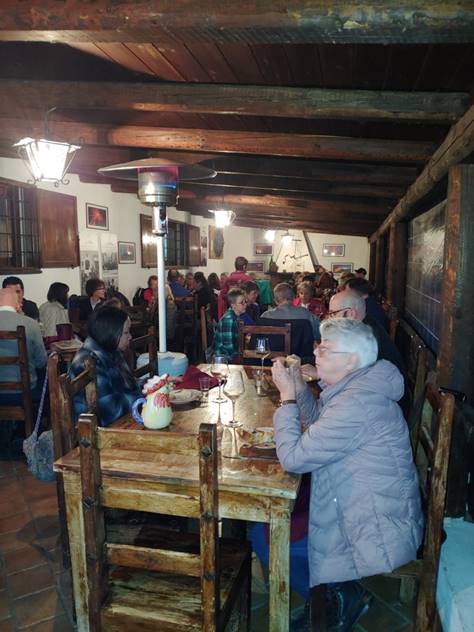
Dinner was up the side of Mt. Vesuvius at a
vineyard/winery/private restaurant: Cantina del Vesuvio.
Wonderful food and
wine. https://www.cantinadelvesuvio.it/en/tastings
Day 8
Exploring Naples
We had a
narrated driving tour to start the day: castles, history lesson, parks built
for royal romantic encounters, parks built only for people with leather shoes
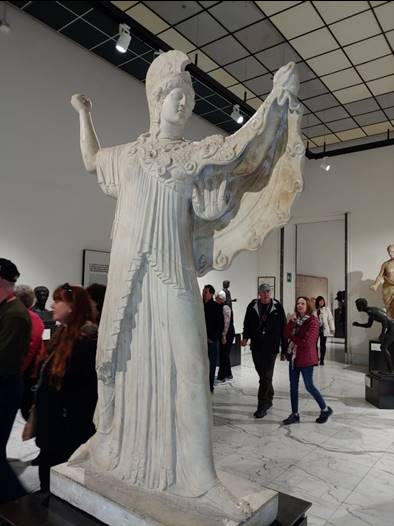
and silk clothes! Then we had several
hours at the amazing National Archeological Museum, housing the best artifacts.
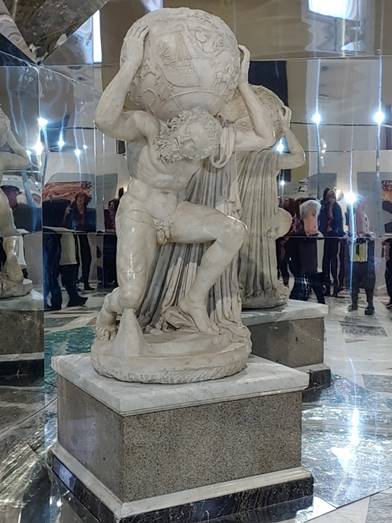
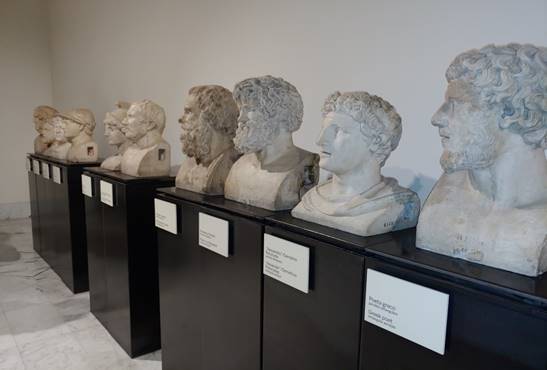
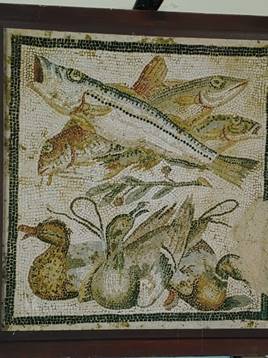
Then
about half of the group went back to the hotel, but for those of us
adventurers, we continued walking along the city center for exploring the busy
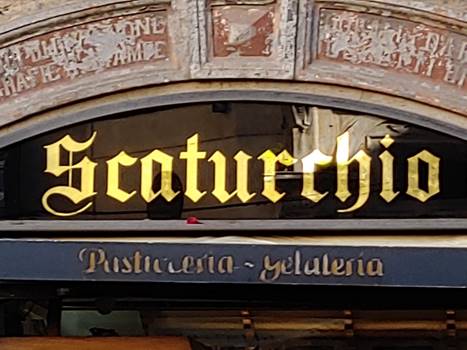
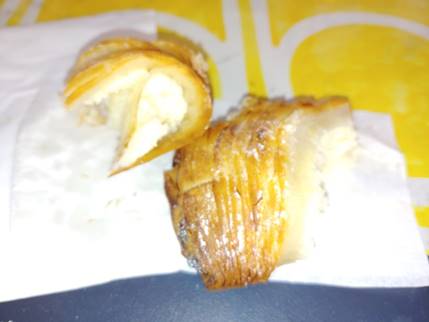
city center of Spaccanapoli. We ate the famous Margarita pizza at its birthplace, saw
the first music conservatory in the world, explored lots of little shops, and
ate the special pastry sfogliatelle! We visited the convent/orphanage and
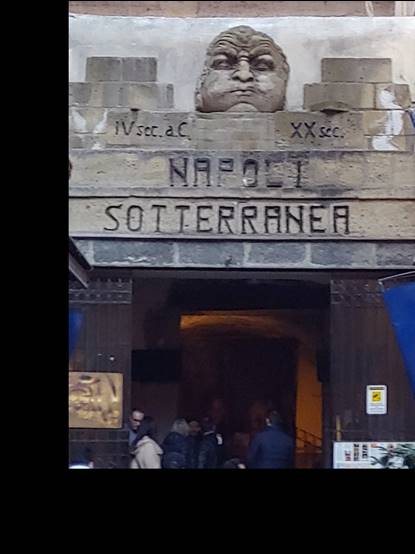
museum of St. Clare. There is also an
“underground Naples.” We saw where Julia
Roberts was filmed for the movie section in “Eat, Pray, Love”.
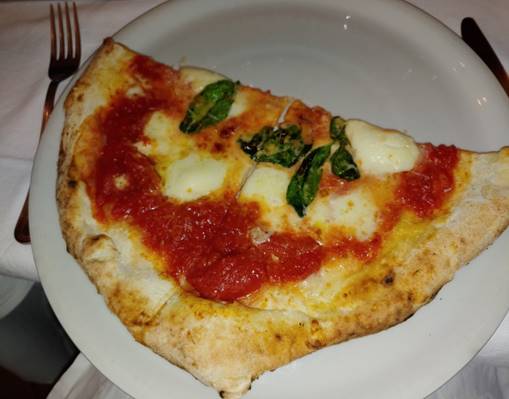
Day 9 The long road home
As you enter
the Naples airport, look for the large overhead sign that lists which airlines
are at which ticket counters. There were no designated airline names over the
ticket counters…they are just numbered!
I took the lead in our group (in the wrong direction) and was at Air
France! Back the other way… The gate areas in Naples had some comfy
seating/rest areas.
The
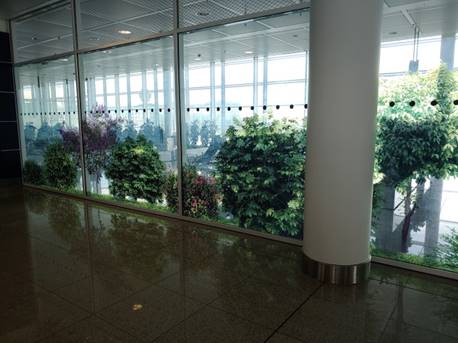
Munich airport was wonderful. They have rest areas with lounge chairs and
(fake) plants and photo decals that look like a garden. The halls are wide and the shopping is like
an upscale mall. It is very clean like Frankfurt, but not overly congested with
kiosks and new cars in the middle. In
spite of the nice shopping distractions and restaurants, I’m glad we did not
waste too much time in finding our gate.
There were 3 passport checks and another security screening! The first passport check was by government police. The second and third were by airline
personnel, but the surprise was the extra screening and pat-down. We were allowed to take our (just-purchased)
drinks in, because they had a drink analyzer machine. (Lucky for me: I thought I was going to have
to either throw away my Diet Coke or stand there and chug the whole thing
quickly!) Again we had lots of stairs to
a bus and a long drive to the plane, but it was more direct than the serpentine
in Frankfurt. Nevertheless, you need to get
to your gate early and be prepared for the weather.
It
was a wonderful trip!
Some of us are staying in contact, sharing travel stories and possibly a trip
in the future! ~Linda